


News
Air Filter Paper Quality: Pleat Density, Media Grade and Dust Capacity Explained
When two air filters look almost identical on a shelf, the price difference usually comes down to one thing: the filter paper inside. For wholesalers and workshop buyers, understanding pleat density, media grade and dust-holding capacity is the fastest way to tell a filter that lasts a service interval from one that collapses in a dusty season.
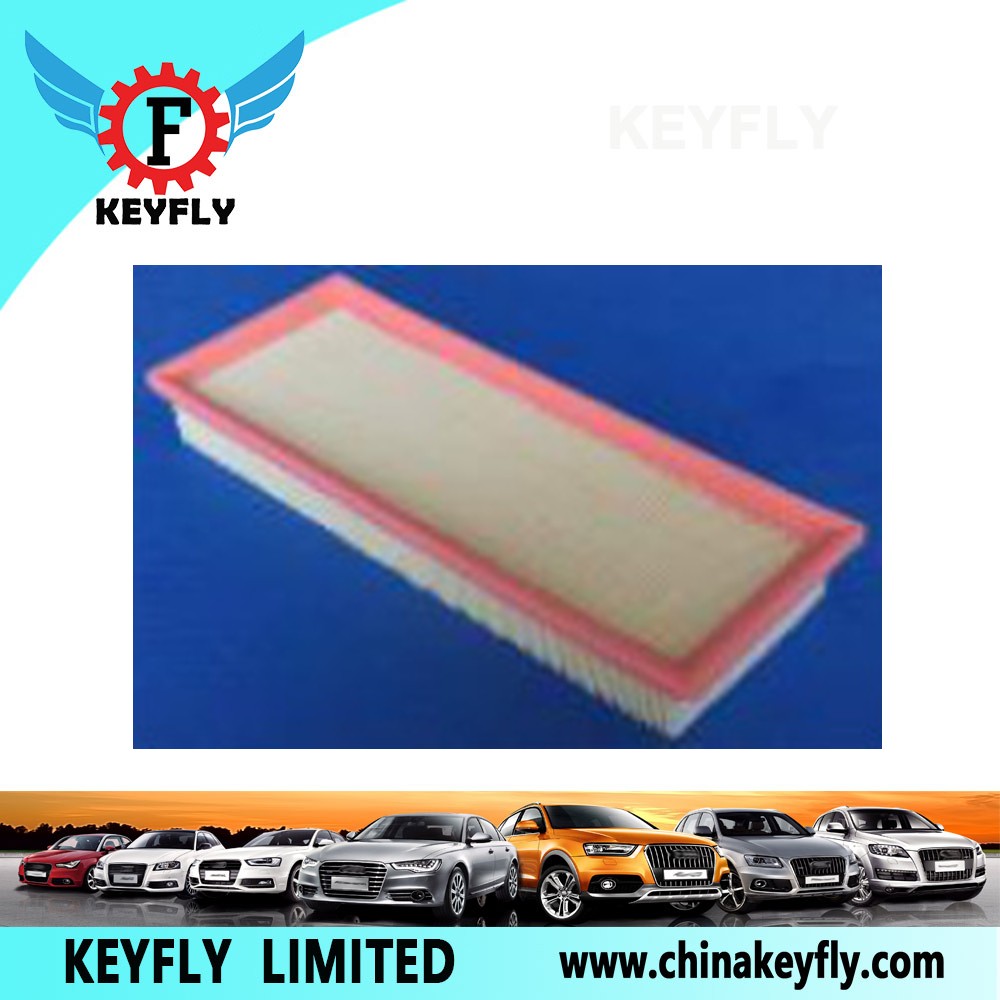
Pleat Density: More Folds, More Surface Area
Pleating exists for a simple reason: it packs a large filtering surface into a small box. A panel filter with tightly and evenly spaced pleats offers far more capture area than one with wide, shallow folds. More surface area means lower airflow resistance, so the engine does not work harder to breathe, and dirt is spread across a bigger area instead of clogging a few channels.
But density alone is not enough. The pleats must be evenly pitched and firmly bonded to the end caps. Uneven spacing leaves open channels where unfiltered air slips through, and loose pleats vibrate at engine speed until the media cracks. When checking samples, look down the pleat line from the side: consistent pitch and clean glue lines are visible signs of a controlled production process.
Media Grade: What the Paper Is Actually Made Of
Filter media is graded by how efficiently it captures particles of a given size. Higher-grade cellulose and cellulose-synthetic blends capture finer dust while still allowing enough airflow. Cheaper media uses coarse, low-density paper that lets fine particles pass straight into the intake tract, where they scour the cylinders and contaminate the engine oil.
A practical field test for buyers: hold the media up to a light. Quality media shows a fine, uniform fiber texture; a cheap filter often looks patchy, with thin spots and inconsistent thickness. Rubber-soft resin treatment and moisture-resistant impregnation also matter in hot, humid markets such as West Africa and Southeast Asia, where untreated paper swells and sheds fibers.
Dust-Holding Capacity: How Long the Filter Really Lasts
Dust-holding capacity (DHC) measures how much dirt the media can trap before airflow restriction forces replacement. Two filters with the same dimensions can differ dramatically here. A well-made filter with deeper pleats and graded media keeps working through a full service interval; a low-DHC filter chokes early, and a clogged filter costs the customer more in fuel consumption than the money saved on the part.
For distributors stocking the aftermarket, this is the argument worth making to workshops: the filter is one of the cheapest parts in the box and one of the most exposed to abuse. Selling on verified quality instead of lowest price protects your margin and your reputation.
Quick Checklist Before You Place an Order
- Check pleat pitch for even spacing and firm bonding to the end caps.
- Inspect the media against a light source for uniform fiber texture.
- Compare weight between quotes on the same reference number; large gaps usually mean thinner media.
- Confirm reference matching by OEM number so the seal frame seats correctly.
KEYFLY supplies more than 1,700 air and cabin filter references covering Toyota, Nissan, Hyundai, Kia, Renault and other popular brands across our Car Filter line. Each model page lists the OEM cross references, so buyers can verify fitment before ordering — see an example panel air filter listing. For samples, catalogs or a quotation, reach us via our contact page.
About KEYFLY LIMITED
KEYFLY LIMITED (www.chinakeyfly.com) is a professional exporter of automotive spare parts — air filters, car locks and ignition switches, brake slack adjusters, body parts and wiper blades — serving distributors and wholesalers in Africa, South America, and Southeast Asia. Contact: vicky@chinakeyfly.com


